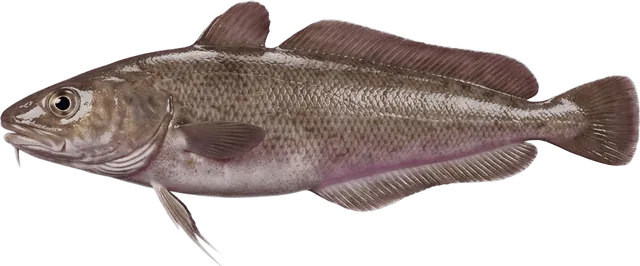
Brazilian codling in Uruguay: seasons, size limits and techniques
Brazilian codling: rules in 2 regions. Open year-round everywhere. Best months: May to September.
Dates and sizes by region
- Best time
- Open
- Closed
Year-round
No general limit
- No official closed season, minimum size or bag limit found for recreational fishing.
- No licence is needed for recreational fishing in Uruguay (Law 19.175, art. 44); selling your catch is banned.
Decreto 115/018, reglamento de la Ley 19.175 (art. 18 pesca deportiva libre, art. 129 represas, art. 133-134 artes deportivas) - IMPOLey 19.175 de Pesca Responsable, art. 44 (pesca deportiva libre) y art. 45 (prohibida la venta) - IMPO
Where do you find this fish?
Rocky bottoms and breakwaters of Montevideo, Piriápolis, Punta del Este and La Paloma, mostly in winter and at night.
Which techniques work?
- Bottom fishing
- 1/0-2/0 hooks with squid or fish fillet, 60-100 g sinker on a weak link.
- Boat fishing
- Over offshore rocky bottoms, two-hook rig with squid.
What gear do you need?
10-12 ft rod, 0.35-0.40 mm mono, 1/0-2/0 hooks.
How should you fish each season?
- Spring
- End of the season: last fish on deep rocks on calm days.
- Summer
- Rare inshore in summer: go for croaker or weakfish.
- Fall
- It returns with the cold: squid or fish fillet at the foot of breakwaters.
- Winter
- Peak season: fish at night among the rocks with a breakaway sinker.