Kokanee salmon in the United States: seasons, size limits and techniques
Kokanee salmon: rules in 8 regions. 6 year-round, 1 with a closed season, 1 where fishing is banned. Daily limit: 4 to 10. Best months: June to September.
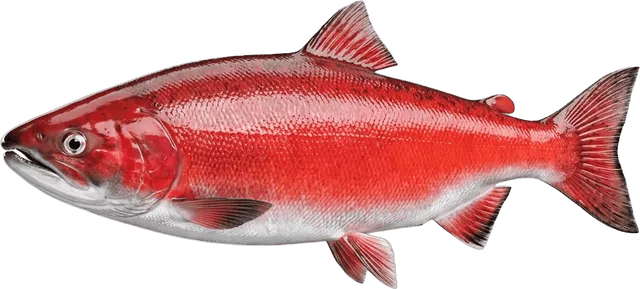
Dates and sizes by region
- Best time
- Open
- Closed
Year-round
5 per day
- 5 trout and kokanee combined, of which no more than 2 cutthroat and 2 lake trout.
- Special season Oct 1 to Dec 31 (Navajo, El Vado, Eagle Nest, Rio Chama): 12 extra kokanee per day, snagging allowed.
- Heron Lake and Willow Creek: kokanee closed Oct 1 to Nov 10, none may be possessed.
19.31.4 NMAC Sport fishing: seasons, bag and size limits (rule text 2022-2026)NM Fishing Rules and Info digest (eRegulations): cold water regulationsNMDOW 2026-2027 New Mexico Fishing Rules and Info (booklet)
Year-round
10 per day
- 10 kokanee per day (angling, snagging or archery), separate from the trout limit.
- Snagging is only allowed on listed waters and dates (usually in fall): check the brochure.
- Many waters have stricter rules (lengths, flies and lures only): check the CPW brochure.
CPW 2026 Colorado Fishing brochure (season Mar 1, 2026 to Mar 31, 2027): statewide limits
Dec 1 to Sep 9
4 per day
- No kokanee may be kept anywhere in Utah from Sept 10 to Nov 30: release it right away.
- 4 trout, kokanee and Arctic grayling combined.
- Many waters have their own rules: check Rules for specific waters in the DWR guidebook.
Utah DWR 2026 Utah Fishing Guidebook: statewide daily limits
Year-round
5 per day
- Kokanee: landlocked sockeye, fished in lakes. Landlocked salmon (kokanee, landlocked Chinook): 5 per day, no size limit; 10 at Bucks, New Bullards Bar, Pardee and Trinity lakes.
Year-round
10 per day
- Kokanee: landlocked sockeye, fished in lakes. Own limit of 10 per day, no size limit, open all year (new in 2026). Sea-run sockeye: rules by river.
Year-round
10 per day
- Kokanee: landlocked sockeye, fished in lakes. 10 per day in lakes, no size limit; with bait, every legal kokanee caught counts even if released. Salmon and steelhead seasons are set river by river each year: check the state's current rules.
Year-round
6 per day
- Kokanee: landlocked sockeye, fished in lakes. 6 per day (Southwest, Magic Valley, Southeast), 15 (Panhandle, Upper Snake), 25 (Clearwater, Salmon). Fishing for sea-run sockeye is illegal.
IDFG, Idaho Fishing 2025-2027 Seasons & Rules (2nd edition 2026), regional general rules
Fishing banned
- Salmon and steelhead seasons are set river by river each year: check the state's current rules.
- E.g. Kenai Peninsula: salmon other than king 3 per day 16 in or longer in flowing waters. Major fisheries (Kenai, Russian) have their own dates and limits, often changed in season.
ADF&G, 2026 Southcentral Alaska Sport Fishing Regulations Summary, Kenai Peninsula fresh watersADF&G, Sport fishing emergency orders and news releases
Where do you find this fish?
Big, cold, deep reservoirs in open water; in fall, the tributaries where they spawn.
Which techniques work?
- Slow trolling
- Dodger and small spinner or hoochie tipped with corn, at 1-1.5 mph.
- Vertical jigging
- 1/4-1/2 oz jigging spoon on schools seen on sonar.
Which lures and baits should you use?
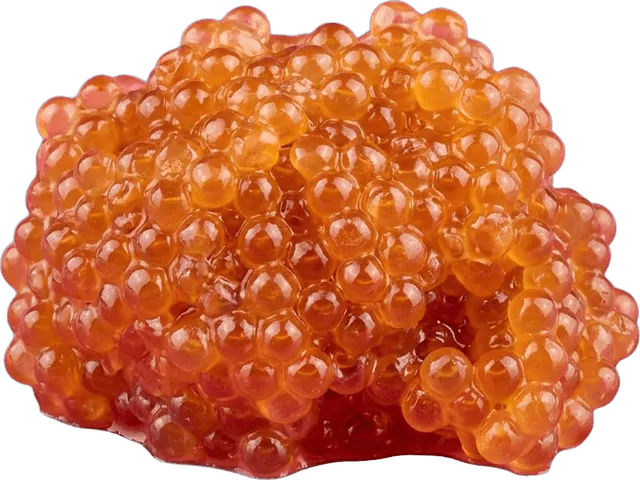 Fish Roe
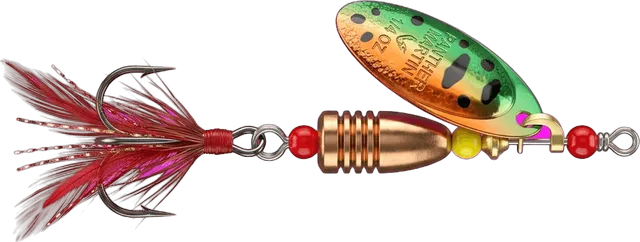 Inline Spinner
What gear do you need?
Soft 7-8 ft trolling rod, 6-8 lb line (soft mouth).
How should you fish each season?
- Spring
- Schools hold near the surface: slow troll with a dodger and small spinner.
- Summer
- They drop below the thermocline: troll deeper with a downrigger.
- Fall
- Spawning and die-off: many states close or restrict kokanee then. Check the dates.
- Winter
- Ice fish with a small jig and maggot where lakes freeze.