Black drum in the United States: seasons, size limits and techniques
Black drum: rules in 6 regions. Open year-round everywhere. Minimum size: 14 in (35.6 cm) to 18 in (45.7 cm). Daily limit: 5 to 15. Best months: January to April.
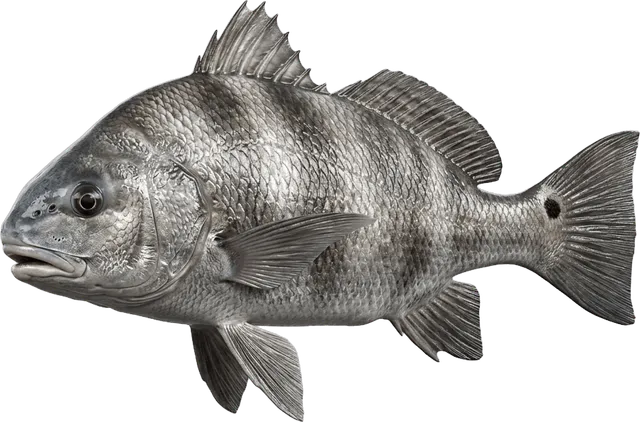
Dates and sizes by region
- Best time
- Open
- Closed
Year-round
minimum 14 in (35.6 cm), maximum 25 in (63.5 cm), 10 per day
- One fish over 25 in allowed per person per day.
NC Division of Marine Fisheries, Recreational Size and Bag Limits (effective Nov. 1, 2026)
Year-round
minimum 14 in (35.6 cm), maximum 27 in (68.6 cm), 5 per day
Year-round
minimum 14 in (35.6 cm), 15 per day
Year-round
minimum 14 in (35.6 cm), maximum 24 in (61 cm), 5 per day
- One fish over 24 in may be kept. Snatching prohibited.
- Florida marine rules apply out to 3 nautical miles on the Atlantic side and 9 miles on the Gulf side.
Year-round
minimum 18 in (45.7 cm), maximum 27 in (68.6 cm), 5 per day
- No more than one over 27 in.
LDWF 2026 Louisiana Recreational Fishing Regulations (eRegulations), Saltwater Creel & Size Limits
Year-round
minimum 14 in (35.6 cm), maximum 30 in (76.2 cm), 5 per day
- Slot 14-30 in. One fish over 52 in may be kept per day (counts in the bag).
- A Texas fishing license with a saltwater endorsement is required.
Where do you find this fish?
Channels and inlets, bridge pilings, oyster bars and muddy bottoms in bays and estuaries.
Which techniques work?
- Bottom fishing
- Cut blue crab, shrimp or clam on a 2/0-6/0 circle hook with a sliding sinker.
- Slow jig
- Scented soft plastic on a 3/8-3/4 oz jighead dragged slowly on bottom.
Which lures and baits should you use?
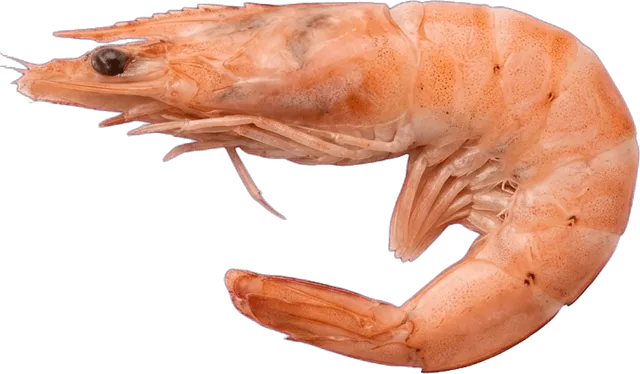 Dead Shrimp / Prawn
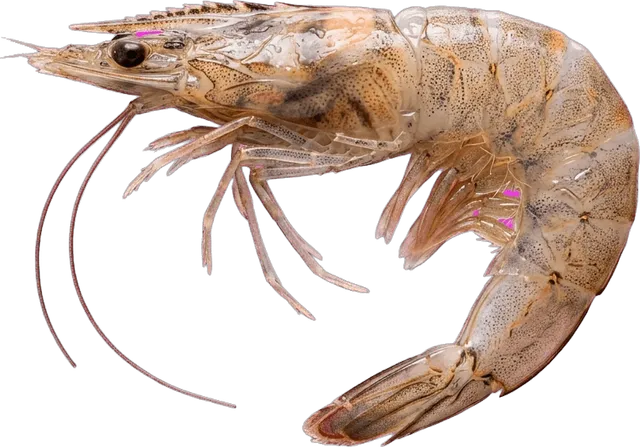 Live Shrimp
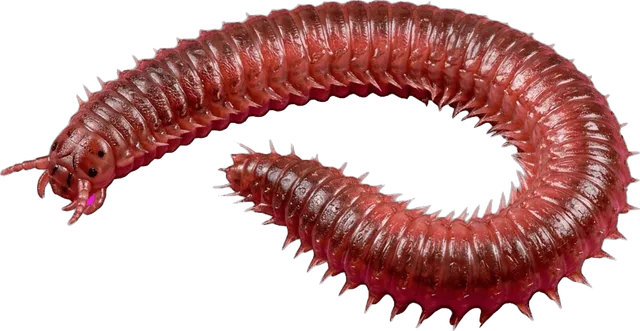 Marine Bloodworm (Nereis)
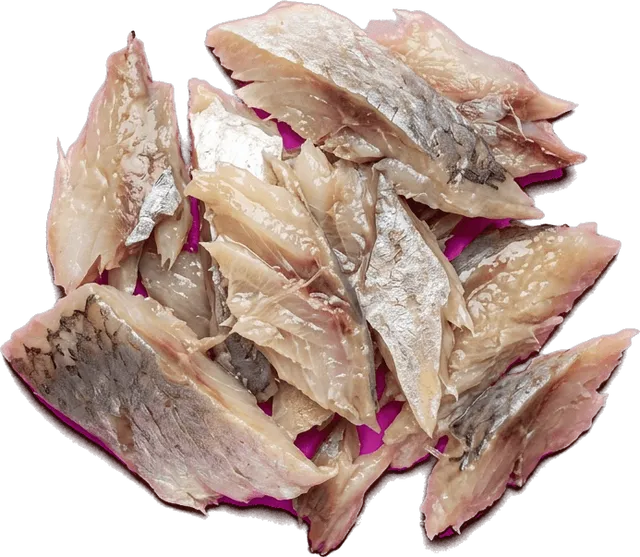 Flaked Fish
What gear do you need?
7-8 ft medium to heavy rod, 20-50 lb braid depending on fish size.
How should you fish each season?
- Spring
- Spawning season: big schools move through inlets and bays.
- Summer
- Small puppy drum hang around oyster bars and docks.
- Fall
- Shrimp or crab on bottom near structure, on a moving tide.
- Winter
- Schooled in deep channels: bait on bottom and patience.