Walleye in Canada: seasons, size limits and techniques
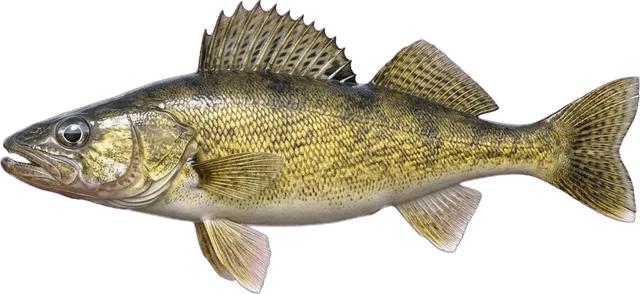
Walleye: rules in 6 regions. 1 year-round, 5 with a closed season. Minimum size: 37 cm to 50 cm. Daily limit: 3 to 6. Best months: January to February, May to June, and September to October.
Dates and sizes by region
- Best time
- Open
- Closed
Jan 1 to Mar 15 and May 9 to Dec 31
4 per day
- Walleye and sauger combined: 4 per day, no more than 1 over 46 cm.
- Limit with a Conservation Licence: 2.
- Zone 16 seasons (southern Ontario: Toronto, London, Kitchener, Barrie). Seasons vary by fisheries management zone: check your zone and its exceptions in the provincial summary.
Ontario Fishing Regulations Summary 2026, Fisheries Management Zone 16 (zone-wide seasons and limits)Ontario Fishing Regulations Summary 2026 (PDF, Ministry of Natural Resources)
May 15 to Nov 30
minimum 37 cm, maximum 53 cm, 6 per day
- Walleye and sauger: 6 in total; walleye may be kept only from 37 to 53 cm. Angling only.
- 2026-2027 dates for zone 9 (Laurentians), shared by most southern Quebec zones. They change every year and by zone (Montreal zones 7-8 and the North differ): check your zone and the water bodies listed as exceptions.
Pêche sportive au Québec, périodes, limites et exceptions 2026-2027, zone 9 (règles de la zone)Québec.ca, zones de pêche (règles générales par zone)
May 15 to Mar 31
minimum 50 cm, 3 per day
- Default limit: 3 walleye over 50 cm (walleye and sauger combined in streams).
- On many popular walleye lakes (Pigeon, Wabamun, Lac Ste. Anne) the limit is 0 unless you hold a Special Harvest Licence (SHL).
- Season for streams and most major lakes in the Parkland-Prairie zone (PP2, Edmonton, Red Deer). Unlisted lakes there are open all year: check your lake in the guide.
2026 Alberta Guide to Sportfishing RegulationsAlberta sportfishing regulations, PP2 default regulations (Parkland-Prairie)
May 5 to Mar 31
4 per day
- 4 walleye per day (sauger and saugeye included), only one over 55 cm.
- 2026-27 Southern zone season (Regina, Saskatoon). Central zone: May 15 to March 31; Northern zone: May 25 to April 15. Some waters have their own dates.
Saskatchewan Anglers' Guide 2026-27 (season dates and general limits, p.5)Saskatchewan.ca, season dates and limits
May 9 to Apr 4
maximum 55 cm, 4 per day
- Closed April 6 to May 8, 2026 (dates set each year). Walleye and sauger combined, none over 55 cm.
- Barbless hooks are mandatory everywhere in Manitoba.
- Southern Division rules (Winnipeg). Other divisions and some waters (Lake Winnipeg, Red River) have other dates.
Manitoba Anglers' Guide 2026 (Southern Division seasons, general limits)
Year-round
4 per day
- April 1 to June 6: only 1 walleye per day; Mosquito Creek closed May 1 to June 30.
- No general closed season in the NWT, but some rivers close part of the year. Barbless hooks are mandatory.
GNWT Environment and Climate Change, fish species catch limitsGNWT, sport fishing general regulations
Where do you find this fish?
Lakes and big rivers: rocky points, reefs, weed edges and drop-offs, best in slightly stained water.
Which techniques work?
- Jigging
- 1/4 to 1/2 oz jig with a minnow or 3 in soft plastic, small hops near bottom.
- Trolling
- Crawler harness or 3-4 in crankbait pulled at 1.2-1.8 mph along breaklines.
- Ice fishing
- Jigging spoon tipped with a minnow head, a few sharp lifts then a pause near bottom.
Which lures and baits should you use?
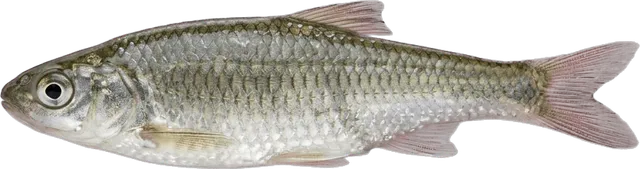 Live Minnow
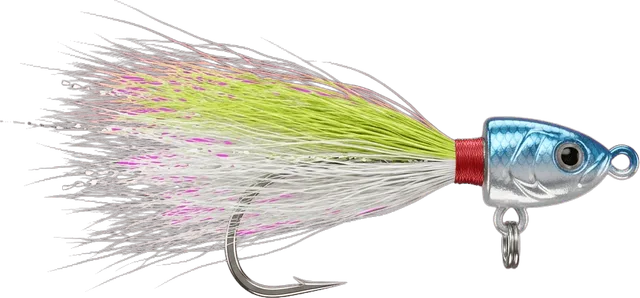 Bucktail Jig
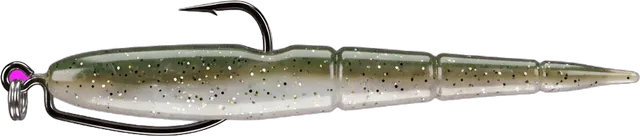 Finesse Worm (Drop Shot)
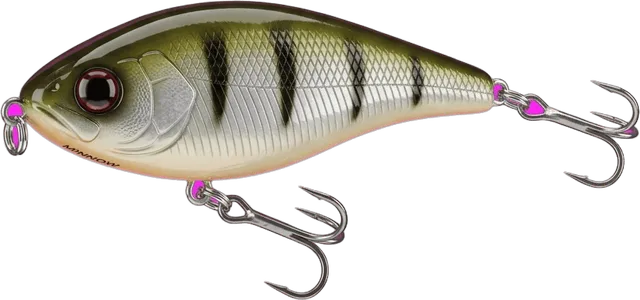 Floating Minnow Crankbait
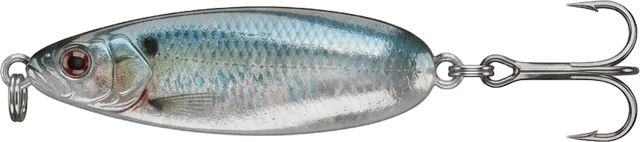 Jigging Spoon
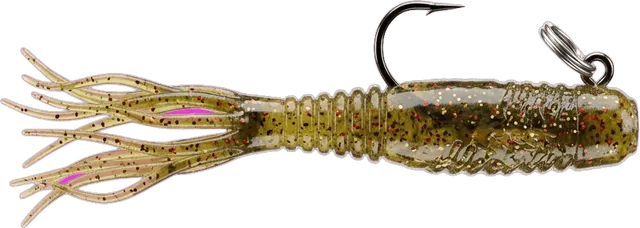 Tube Bait
What gear do you need?
6-7 ft medium-light rod, 10 lb braid and 8 lb fluorocarbon leader.
How should you fish each season?
- Spring
- At the opener it is still near spawning areas: rivers, rapids and gravel shoals. Fish a slow jig tipped with a minnow.
- Summer
- It drops to 5-10 m breaks by day: troll a crawler harness or crankbait, and fish dawn and dusk.
- Fall
- It feeds hard before winter: crankbaits and jigs along points and reefs, often in the evening.
- Winter
- On the ice where the season is open: jigging spoon or ice jigging rap near bottom at sunrise and sunset.