Dusky flathead in Australia: seasons, size limits and techniques
Dusky flathead: rules in 3 regions. Open year-round everywhere. Minimum size: 30 cm to 40 cm. Daily limit: 5. Best months: September to April.
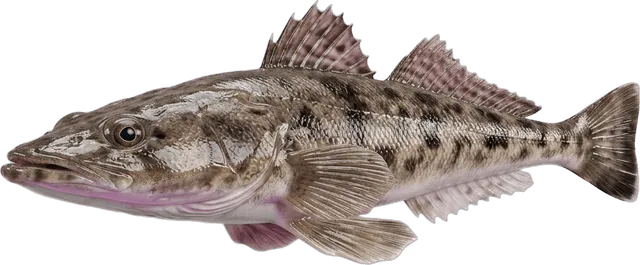
Dates and sizes by region
- Best time
- Open
- Closed
Year-round
minimum 36 cm, maximum 70 cm, 5 per day
- Possession limit 10.
- The NSW Recreational Fishing Fee is required in salt and fresh water ($7 for 3 days, $14 a month, $35 a year).
NSW DPIRD Fisheries, Saltwater bag and size limitsNSW DPIRD Fisheries, Recreational fishing fee
Year-round
minimum 30 cm, maximum 55 cm, 5 per day
- Any flathead caught in Lake Tyers or estuaries east of it counts as a dusky flathead.
- In Victoria it can't be filleted on the water: keep it whole until you are back at the ramp.
- A Victorian Recreational Fishing Licence is required ($10 for 3 days, $40.80 a year online, 2026/2027 fees).
Victorian Fisheries Authority, Dusky flatheadVictorian Fisheries Authority, Fishing licence (2026/2027 fees)
Year-round
minimum 40 cm, maximum 75 cm, 5 per day
- In Queensland this is a possession limit (all fish you hold, freezer included), not a daily limit.
Queensland Government, Size and possession limits in tidal waters (updated 25 Sep 2026)
Where do you find this fish?
East coast estuaries and coastal lakes: sand flats, weed edges and drop-offs on the run-out tide (Gippsland Lakes, Lake Macquarie, Gold Coast Broadwater).
Which techniques work?
- Soft plastics
- 3-5 inch plastic on a 1/8-1/4 oz jighead hopped along the bottom on the falling tide.
- Live or dead bait
- Running sinker and 2/0-4/0 hook with a live poddy mullet, prawn or pilchard on a slow drift.
What gear do you need?
7 ft 2-5 kg spin rod, 2500 reel, 8-10 lb braid and 12-20 lb leader (raspy jaws).
How should you fish each season?
- Spring
- Big females move onto the flats: release the crocodiles, they are the breeders.
- Summer
- Work flat edges on the run-out tide with a small soft plastic hopping on the sand.
- Fall
- Still very active: diving hardbodies along the weed beds.
- Winter
- Slower: target deeper holes and slow your retrieve down.